
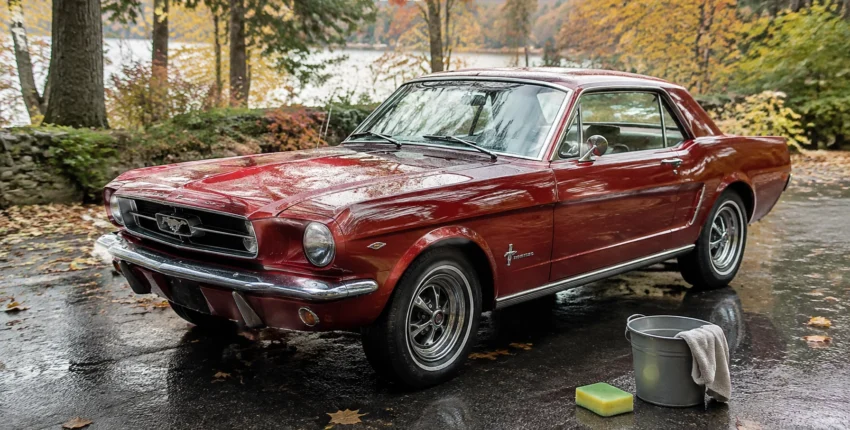
For classic-car owners in Greenwood Lake, fall is the right time to think about winter storage. Once the first snow arrives, cold temperatures, road salt, moisture, and freeze-thaw cycles can create problems that are much more expensive to fix in spring.
A proper winterization routine does more than keep dust off your car. It protects the paint, fuel system, battery, tires, cooling system, brakes, wiring, and interior while the vehicle is off the road. It also gives you a chance to address small issues before they become major repairs.
Here is a practical pre-winter checklist for classic and vintage vehicles.
Start With a Thorough Wash and Wax
Never put a classic car away dirty. Road film, salt residue, mud, bird droppings, grease, and moisture can remain on the paint and underbody for months. Over time, these contaminants can stain the finish and encourage corrosion.
Wash the entire vehicle, paying close attention to:
- Wheel wells and behind the wheels
- The underside of the body
- Rocker panels and lower doors
- Bumpers, trim, and chrome
- Floor pans and other rust-prone areas
- Areas around the fuel tank and exhaust
Allow the car to dry completely before covering it. Water trapped in seams, weatherstripping, or under trim can create problems during storage.
Once it is clean and dry, apply a quality wax or paint protectant. This adds another layer of protection against moisture and helps preserve the finish. It is also a good time to clean and condition appropriate leather, vinyl, rubber, and interior surfaces.
Add Fuel Stabilizer and Fill the Tank
Fuel can deteriorate during long storage, particularly in older fuel systems. Gasoline that sits for several months may lose volatility, form deposits, or contribute to varnish buildup in the tank, carburetor, injectors, and fuel lines.
Before storage:
- Add the correct amount of fuel stabilizer for the tank size.
- Fill the tank nearly full or completely full to reduce the amount of air and condensation inside.
- Run the engine long enough for the treated fuel to move through the fuel system.
Simply adding stabilizer to the tank is not enough if the treated fuel never reaches the carburetor or injectors. Follow the instructions for the stabilizer and your vehicle’s fuel system.
If your classic car has an older tank, aging fuel lines, or a history of hard starting, fall is an ideal time for a fuel system inspection. Small fuel leaks and deteriorated hoses are much easier to address before storage than after a spring restart.
Change the Oil and Filter
Changing the oil and filter before storage is a smart way to protect the engine. Used oil contains contaminants, acids, and moisture that can remain inside the engine during the winter.
Use the oil viscosity and specification appropriate for the engine. Classic vehicles may require different oil than a modern daily driver, especially if the engine has older seals, a flat-tappet camshaft, or other period-specific requirements.
After the oil change, check underneath the vehicle for leaks. Look around the oil pan, valve covers, timing cover, rear main seal area, and filter. A small drip may not seem urgent, but storage can make an existing leak worse and leave a mess on the garage floor.
Check Coolant and Antifreeze Protection
A coolant level that looks normal does not necessarily mean the cooling system is ready for freezing temperatures. The actual freeze protection should be tested with a coolant hydrometer or another suitable tester.
Before putting the car away, check:
- Coolant level and condition
- Radiator and cap
- Water pump area
- Heater hoses and radiator hoses
- Thermostat housing
- Signs of rust, sludge, or contamination
- Evidence of leaks around the engine and radiator
A common 50/50 coolant-and-water mixture can provide substantial freeze protection, but the exact protection depends on the coolant formulation and condition. Do not assume every mixture is suitable for sub-zero temperatures, and do not blindly mix incompatible coolant types.
If the coolant is old, rusty, contaminated, or overdue for service, a cooling-system inspection or flush may be worthwhile. John’s Automotive Restoration & Repair explains more about the process in this guide to flushing your car’s cooling system.
Use a Battery Tender Instead of an Unregulated Trickle Charger
A battery that sits for months can lose charge, and a completely discharged battery may freeze or suffer permanent damage. A quality automatic battery tender or maintainer is generally safer for long-term storage because it monitors the battery and supplies charge as needed.
A basic trickle charger may continue charging continuously. Unless it is specifically designed for long-term use and properly monitored, it can overcharge the battery.
Before connecting a maintainer:
- Clean corrosion from the battery terminals.
- Check the battery case for cracks or swelling.
- Inspect the cables and ground connections.
- Confirm that the charger is rated for your battery.
- Follow the charger manufacturer’s instructions.
If there is no safe power source, disconnecting the negative cable may help reduce battery drain. Keep in mind that doing so can reset clocks, radios, or other settings in some vehicles.
Protect the Tires From Flat Spots
Classic cars can sit in one position for several months, which may lead to temporary or permanent flat spots. Cold temperatures can make this more noticeable.
Start by setting the tires to their recommended cold pressure. Some owners add approximately 2 to 5 psi for storage, provided the pressure remains within the tire manufacturer’s limits. Restore the normal cold pressure before driving in spring.
For long-term storage, particularly with valuable or older tires, properly rated jack stands can take the weight off the tires. Always use the manufacturer-approved support points and never rely on a jack alone.
If you do not use stands, avoid starting the car just to let it idle for a few minutes. A short idle may not fully warm the engine or exhaust system and can leave condensation behind. If the vehicle is moved during storage, it should be driven long enough to reach normal operating temperature, but never on wet or salted roads simply to “exercise” it.
Prevent Rodent Damage
Rodents look for warm, sheltered places during cold weather. A stored classic can provide easy access to the air cleaner, exhaust, cowl, wiring, upholstery, and engine compartment.
Use clearly visible, removable plugs or covers for exhaust outlets and air intakes. Make a written note of every opening you block, and check the list before starting the engine in spring.
Also inspect the storage area for:
- Gaps beneath doors
- Food or pet food
- Nesting materials
- Droppings
- Chewed wiring
- Damage around the air cleaner and cowl
Traps placed around the perimeter of the garage can help control rodents. Avoid placing loose materials or chemicals inside the passenger compartment or anywhere they could be drawn into the engine.
Choose a Breathable Cover and Control Moisture
Once the vehicle is clean and completely dry, use a fitted, breathable automotive cover. The cover should protect the paint from dust while allowing trapped moisture to escape.
Avoid placing an impermeable plastic sheet directly over the vehicle. Plastic can trap condensation against the paint and encourage corrosion, especially when temperatures move above and below freezing.
If the garage is damp, use a suitable desiccant or dehumidifier. Keep the car away from standing water, and if it sits on a dirt or gravel floor, consider using a moisture barrier beneath the vehicle.

Inspect Brakes, Hoses, Rust, and Electrical Systems
The best time to find a problem is before the car goes into storage, not when you are ready for the first spring drive.
Have the brakes checked for:
- Old or contaminated brake fluid
- Cracked flexible hoses
- Corroded or leaking lines
- Sticking calipers or wheel cylinders
- Worn pads or shoes
- Parking-brake problems
- Rust on rotors or drums
Inspect fuel, coolant, vacuum, and PCV hoses for cracking, swelling, soft spots, abrasion, or brittle ends. Replace questionable hoses before storage rather than hoping they survive the winter.
Rust-prone areas deserve special attention. Look around the floor pans, frame, rocker panels, wheel arches, trunk, fasteners, suspension mounts, and seams. Road salt and repeated freeze-thaw cycles can turn a small area of surface corrosion into a larger structural problem.
Finally, inspect battery grounds, wiring connectors, fuse boxes, alternator and starter wiring, lights, switches, and aftermarket accessories. Electrical corrosion and rodent damage can be difficult to diagnose after several months in storage.
Why an Autumn Inspection Can Save You Money
A pre-storage inspection gives you time to plan repairs while the vehicle is already available. It is much easier to replace a cracked hose, weak battery, leaking wheel cylinder, or corroded connection in autumn than to discover it during a rushed spring startup.
At John’s Automotive Restoration & Repair, our team works on both modern daily drivers and classic vehicles. We can inspect the mechanical systems, cooling system, brakes, fuel system, electrical components, and rust-prone areas before your car goes away for the season.
John’s is a family-owned shop in Greenwood Lake, New York, with more than 45 years of combined industry experience and ASE-certified technicians. If your classic needs more than seasonal preparation, our full-service restoration work can also address mechanical, interior, exterior, paint, and electrical concerns.
Prepare Now for an Easier Spring
Winter storage should be about prevention. Wash and protect the vehicle, stabilize the fuel, change the oil, verify coolant protection, maintain the battery, protect the tires, control moisture, and inspect the systems that can create expensive spring problems.
Before starting the car after storage, remove every exhaust and intake plug, check for nests and leaks, reconnect the battery, verify fluid levels and tire pressure, and confirm that the brakes operate correctly.
If you would like a professional pre-storage inspection in Greenwood Lake, book an appointment or contact John’s Automotive Restoration & Repair at (845) 595-1765. A little preparation now can help your classic return to the road safely when warmer weather arrives.