
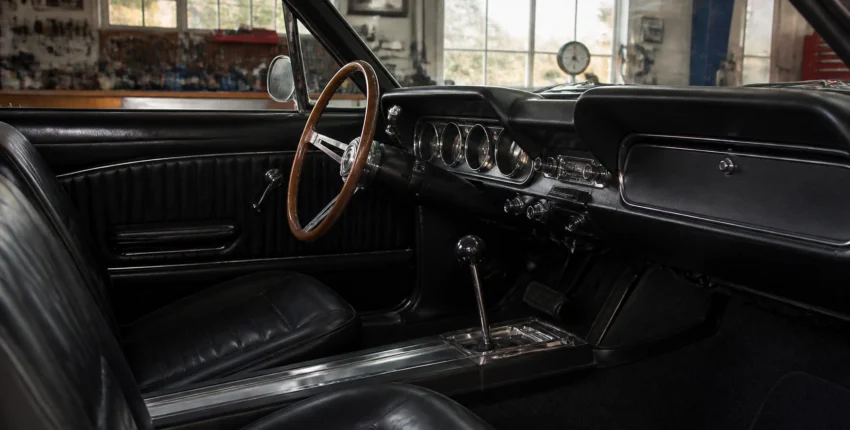
There’s a specific feeling you get when you open the door of a vintage car. It’s a mix of nostalgia, mechanical soul, and: let’s be honest: usually a faint whiff of old foam and mystery dust. But when that door swings open and you’re greeted by a pristine, period-correct cabin, it’s like stepping into a time machine that actually works.
For many of us, the heart of the drive isn’t just the engine’s roar; it’s the view over the steering wheel and the comfort of the seat. That’s why classic car interior restoration is often the most rewarding part of a project. It’s where you spend your time. It’s the tactile connection between you and the road.
If you’re lucky enough to be working on a project car, you know that the “inside” is just as important as the “outside.” Whether you’re cruising around Greenwood Lake or showing off at a local meet, your interior tells the real story of the car’s life. At John’s Automotive Restoration & Repair, we’ve spent over 45 years seeing cars come in looking like they’ve lived through a war zone, only to leave looking like they just rolled off the showroom floor in 1968.
Let’s dive into how you can breathe new life into your vintage cabin.
The “Ouch” Phase: Assessment and Documentation
Before you grab a screwdriver and start ripping out that moldy carpet, stop. Take a breath. And then take about fifty photos.
One of the biggest mistakes people make in classic car restoration is diving in without a plan. You need to know exactly what you’re dealing with. Is the seat frame rusted? Are the springs snapped? Does the dashboard have more cracks than the Grand Canyon?
Inspecting the Bones
Start by checking the structural integrity of your interior. If the floor pans are soft or rusted through, no amount of fancy leather is going to save you. You need a solid foundation. If you find rust, it’s time to address the metalwork before you even think about upholstery. For drivers in Greenwood Lake, NY, we often see how humidity and road salt can creep into floorboards over the decades, so don’t skip this step.
The Documentation Ritual
Label every screw. Every clip. Every weird little plastic bit that looks like it belongs in a LEGO set but actually holds your door panel on. Modern replacements for these tiny parts can be surprisingly hard to find, so keeping the originals is often your best bet. If you want to avoid common pitfalls, check out our guide on 7 mistakes you’re making with vintage car restoration to keep your project on the right track.
Stripping It Down to the Soul
Once you’ve documented everything, it’s time for the teardown. This is where the real “vintage” smells come out. Removing the old seats, carpet, and headliner usually reveals decades of accumulated history: and maybe a few lost french fries from 1984.
Dealing with the Floor
Once the carpet is out, you’ll likely see the factory sound deadening. It’s usually brittle, heavy, and about as effective as a wet newspaper. This is a great time to upgrade to modern heat and sound insulation. It makes a world of difference in how the car feels on the road. You’ll actually be able to hear your passenger (or the radio) without the floorboards vibrating like a tuning fork.
The Dash and Gauges
The dashboard is the jewelry of the car. If your gauges are hazy or the needles are stuck, now is the time to pull the instrument cluster. Restoring these requires a delicate touch. Cleaning the glass and repainting the needles can take a dash from “tired” to “timeless” in an afternoon.

The Art of the Seat: Upholstery and Foam
The seats are the centerpiece of any classic car interior restoration. Most vintage seats have lived through a lot: UV damage, spills, and the inevitable “fatigue” of the foam cushions.
Foam is Everything
You can put the most expensive Italian leather on a seat, but if the foam underneath is crumbling, it’s going to look like a saggy mess. New seat foam kits are available for most popular classics, and they provide that firm, factory feel. If you’re working on something rare, we often have to custom-sculpt foam to match the original contours perfectly.
Choosing Your Materials
Are you going for “factory correct” or “custom comfort”?
- Vinyl: Most mid-century cars came with high-quality vinyl. It’s durable, easy to clean, and looks great if you get the right grain.
- Leather: If you want to elevate the feel, leather is the way to go. Just remember that leather requires more maintenance to prevent cracking over time.
- Fabric/Cloth: Many cars from the 70s and 80s featured unique patterns. Finding the exact “period-correct” cloth can be a scavenger hunt, but the payoff is an interior that looks exactly like it did on day one.
Headliners and Door Panels: The Framing
A sagging headliner is the ultimate mood-killer. It’s literally the roof over your head, and when it starts to droop, the whole car feels neglected. Replacing a headliner is one of those jobs that looks easy on YouTube but usually involves a lot of swearing in real life. It requires the right tension and adhesive to stay put through summer heat and winter chills.
Door panels are another high-traffic area. Over time, the cardboard backing on original panels tends to warp from moisture. Replacing these with moisture-resistant ABS plastic backing is a smart move for anyone doing a vintage car restoration in NY, where the weather is anything but predictable.
The Electrical Gremlins
While the interior is out, you have unparalleled access to the wiring harness. This is the perfect moment to fix that flickering dome light or finally install a sound system that doesn’t sound like it’s underwater.
We always recommend checking for brittle wires or “creative” repairs from previous owners. A clean wiring job is the difference between a reliable cruiser and a car that leaves you stranded with a blown fuse on the way to a car show. If you’re curious about what else goes into a full transformation, our page on auto restoration services breaks down the full-service approach we take here in Greenwood Lake.
Why Professional Expertise Matters
We get it: the DIY spirit is a huge part of the classic car community. There’s a certain pride in doing the work yourself. But interior work is notoriously unforgiving. One wrong cut in a $1,200 leather hide, or one stripped screw in a rare dashboard, can turn a fun weekend project into an expensive nightmare.
At John’s Automotive Restoration & Repair, we’ve been a family-owned staple since 2009, but our team brings over 45 years of combined experience to the table. Our ASE-certified technicians understand the nuances of these old machines: from the way the tension rods in a headliner need to be seated to the specific pinstriping details on a custom dash. We treat every vehicle like it’s our own because we know how much history is sitting in that cabin.
If you’re looking for high-quality auto repair in Greenwood Lake, NY, whether it’s for your daily driver or your weekend pride and joy, we’re here to help. We handle insurance claims from start to finish and offer a 100% satisfaction guarantee. We don’t just fix cars; we preserve memories.
Bringing it All Together
Restoring the interior of a classic car is about more than just new fabric and shiny chrome. It’s about restoring the experience of driving. It’s about that click of the door latch, the comfort of the seat, and the pride of knowing your car looks just as good on the inside as it does on the outside.
Whether you’re just starting your journey into classic car restoration or you’re looking for a professional hand to cross the finish line, remember that the details matter. Don’t rush the process, document everything, and don’t be afraid to ask for help when the job gets tough.
Ready to see your vintage beauty shine again? Whether you need a full interior overhaul or just some expert mechanical advice, the team at John’s Automotive Restoration & Repair is ready to get to work. Stop by our shop in Greenwood Lake, NY, or give us a call to chat about your project. Let’s get your piece of history back on the road where it belongs!