
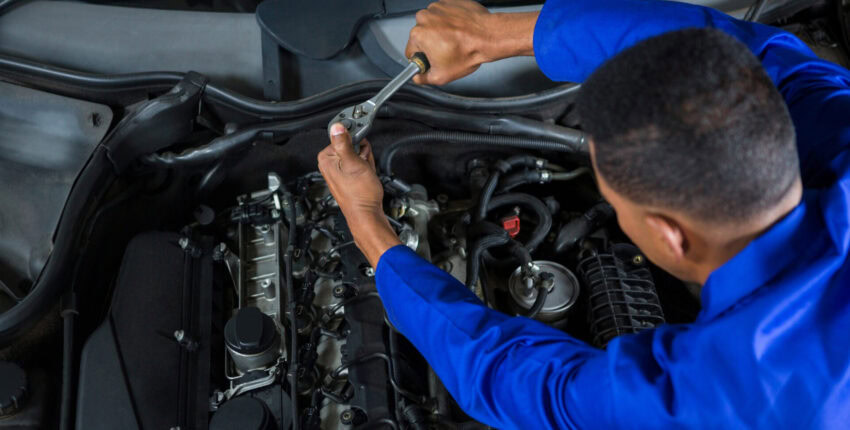
A car engine is a complex system that powers every mile you drive. Over time, even the most reliable engines experience wear and tear, leading to reduced performance, unusual noises, or mechanical failures. When your engine reaches a point where simple repairs aren’t enough, an engine rebuild may be the most effective solution. Understanding the process of engine rebuilding can help you make informed decisions and set realistic expectations.
At John’s Automotive Restoration & Repair in Greenwood Lake, NY, our expert mechanics have over 45 years of combined experience restoring engines and vehicles to peak condition. Here’s a detailed look at what you can expect from a professional engine rebuild.
What Does an Engine Rebuild Mean?
An engine rebuild involves disassembling the engine, inspecting all components, and replacing or refurbishing worn or damaged parts. Unlike a basic engine repair that may address a single problem, a rebuild restores your engine’s overall performance, reliability, and lifespan. Essentially, it’s like giving your engine a fresh start without buying a new vehicle.
During a rebuild, mechanics pay attention to every critical component, from pistons and crankshafts to valves and gaskets. They carefully evaluate which parts can be reused and which need replacement. This thorough approach ensures your engine runs efficiently and safely for years to come.
Signs Your Engine Might Need a Rebuild
Knowing when your engine needs a rebuild can save you time, money, and potential frustration. Here are common signs that indicate it may be time for a full rebuild:
- Excessive oil consumption: If your car frequently needs oil top-ups, it could mean worn piston rings or valve seals.
- Loss of compression: Low compression can cause reduced engine power, misfires, or difficulty starting.
- Metallic noises: Knocking, tapping, or grinding sounds from the engine may indicate worn bearings or other internal damage.
- Smoke from exhaust: Blue or white smoke can signal oil burning inside the engine.
- Frequent overheating: Persistent overheating could indicate internal damage that affects engine efficiency.
If you notice any of these issues, scheduling an evaluation with an experienced auto repair shop like John’s Automotive Restoration & Repair is the best first step.
Step 1: Initial Inspection and Assessment
The first step in the engine rebuild process is a thorough inspection. Mechanics will:
- Diagnose problems: Using diagnostic tools and a visual inspection, they pinpoint the engine’s issues.
- Assess repair options: Not all engines need a full rebuild. Sometimes, replacing a few key components is sufficient.
- Provide an estimate: A detailed estimate ensures transparency, including parts, labor, and any additional services needed.
At this stage, you’ll gain a clear understanding of what the rebuild will involve and the expected results.
Step 2: Engine Disassembly
Once you approve the rebuild, mechanics begin disassembling the engine. This involves carefully removing components such as the cylinder head, pistons, crankshaft, timing chains, and valves. Each part is tagged and organized to ensure proper reassembly.
During disassembly, technicians look for obvious signs of wear, corrosion, or damage. Components are measured against manufacturer specifications to determine if they can be reused or need replacement.
Step 3: Cleaning and Inspection of Components
After disassembly, every component undergoes a deep cleaning process. Oil, dirt, and carbon deposits are removed to allow for precise inspection. Key parts, including the cylinder block, pistons, and camshaft, are checked for cracks, warping, or scoring.
This stage is crucial because rebuilding an engine with compromised components can lead to failure down the line. Professional shops like John’s Automotive use advanced tools and techniques to ensure every piece meets strict quality standards.
Step 4: Machining and Part Replacement
Once cleaned and inspected, worn or damaged components are either replaced or machined to restore specifications. Common machining tasks include:
- Cylinder boring or honing: Ensures pistons fit perfectly in the cylinders.
- Crankshaft grinding: Restores smooth rotation for consistent power delivery.
- Valve reconditioning: Resurfaces valves and seats for proper sealing.
In addition to machining, any components beyond repair are replaced with new or high-quality refurbished parts. This ensures the rebuilt engine performs like new.
Step 5: Reassembly
After machining and replacement, the engine is carefully reassembled. Mechanics follow strict manufacturer guidelines, using precision tools to ensure each component is installed correctly. Timing, torque, and clearances are meticulously checked to avoid future issues.
During reassembly, technicians may also replace gaskets, seals, and bearings to ensure the engine is leak-free and operates efficiently. The goal is to restore the engine’s original performance and reliability.
Step 6: Testing and Break-In
Once reassembled, the engine undergoes rigorous testing. Mechanics check for proper oil pressure, compression, and overall performance. Any irregularities are addressed before returning the vehicle to the customer.
After installation, a proper break-in period is essential for longevity. This involves carefully driving the vehicle under controlled conditions to allow new components to seat properly. Your auto shop will provide specific guidance on break-in procedures to protect your investment.
Benefits of a Professional Engine Rebuild
Choosing a professional rebuild over other solutions, like replacement engines or piecemeal repairs, comes with multiple benefits:
- Cost-effective: Rebuilding your engine is often cheaper than buying a new one.
- Restored performance: A rebuild can restore lost power, improve fuel efficiency, and eliminate engine noise.
- Extended lifespan: With worn parts replaced, your engine can continue running smoothly for many more miles.
- Custom care: Experienced shops can tailor rebuilds to your vehicle’s specific needs, ensuring optimal results.
At John’s Automotive Restoration & Repair, we combine decades of experience with precision techniques to ensure every rebuild meets our high standards.
What to Expect from Your Auto Shop
A quality engine rebuild involves transparency, communication, and attention to detail. Here’s what you can expect when working with a reputable shop:
- Clear explanation of repairs: You will know exactly what’s happening at each stage.
- Detailed estimates: No hidden fees or surprises.
- Expert guidance: ASE-certified technicians advise on maintenance, break-in procedures, and care after the rebuild.
- Comprehensive service: Many shops, including John’s Automotive, can handle related repairs like wiring, cooling system adjustments, and custom enhancements.
Working with an experienced team ensures your engine rebuild is efficient, reliable, and tailored to your vehicle’s needs.
Restoring an engine is a meticulous process, but the results speak for themselves. Whether you are breathing new life into a classic car or repairing a modern vehicle, a professional engine rebuild can restore confidence, performance, and reliability.
If your car is showing signs of engine wear, don’t wait until minor issues become major problems. Contact John’s Automotive Restoration & Repair in Greenwood Lake, NY, to schedule an evaluation. Our ASE-certified technicians provide expert guidance and hands-on care, ensuring your engine receives the attention it deserves. Let us bring your engine back to life and get you back on the road safely and efficiently.